UC People: Yashwanth Balaji, scientist and National Lab Research SLAM winner
Share This Article
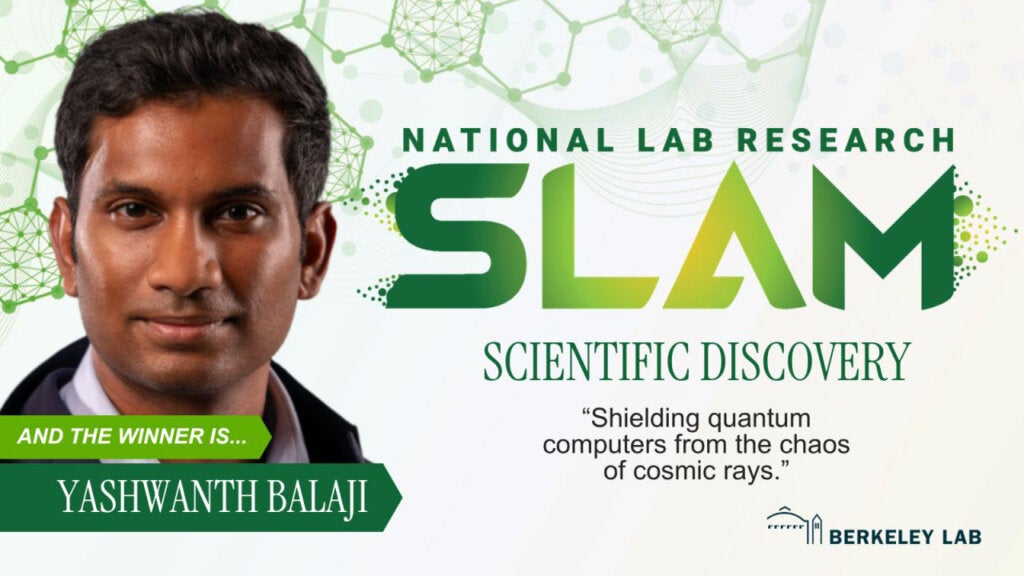
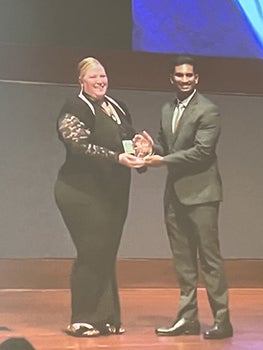
Yashwanth Balaji, aka Yash, project scientist at the Lawrence Berkeley National Lab’s Molecular Foundry, won the Scientific Discovery category at the 2026 National Lab Research SLAM in Washington, D.C. on Wednesday, April 15.
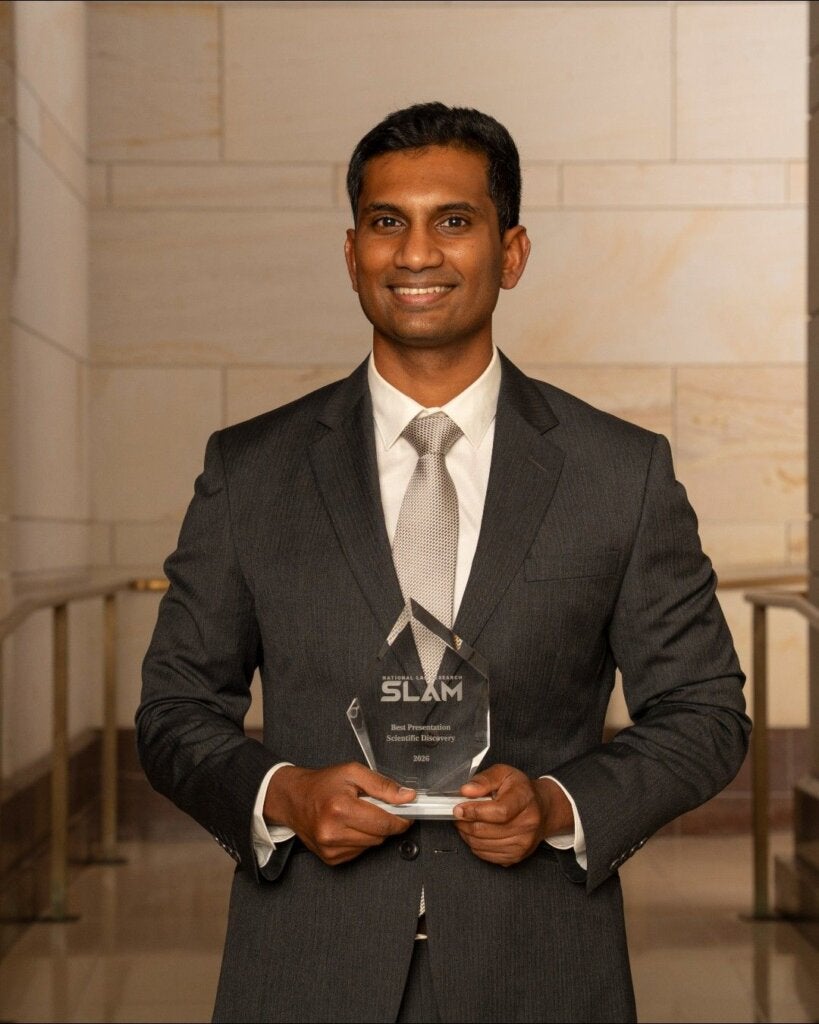
Yash’s work sits at the intersection of advanced materials and quantum computing reliability, tackling one of the less visible but critical challenges in scaling quantum systems. Cosmic radiation, often overlooked, can disrupt quantum operations, and his research focuses on mitigating these effects at the materials level.
In his talk, “Shielding quantum computers from the chaos of cosmic rays,” Yash explored how high-energy particles from space can disrupt quantum systems and what it takes to protect them.
Why it matters? Reducing these errors is key to building reliable quantum computers that can solve complex problems beyond the reach of today’s technology.
“I’m very excited about the National Lab Research SLAM today as it’s an opportunity to bridge the gap between people doing the science and members of Congress making decisions about it,” Yash said, just before the event. “It is a great honor to represent Berkeley Lab and the cutting-edge research happening across our National Labs on a stage where it can truly make an impact.”
What is your area of specialization at the Molecular Foundry?
I joined the Molecular Foundry in May 2024 as a postdoc in the Nanofabrication Division, where I work on quantum computing—specifically superconducting quantum hardware.
One of the big challenges in building practical quantum computers is scaling them up. The basic units, called qubits, are extremely sensitive to noise. Interestingly, one important source of this noise comes from high-energy cosmic rays. When these particles hit a device, they can generate bursts of energy that disrupt the qubits and sometimes even cause an entire computation to fail.
My work focuses on finding ways to make qubits more robust against these effects. Most current superconducting qubits are made from aluminum, which is relatively vulnerable because of its small energy gap. I’m exploring new nitride-based materials that have larger energy gaps and are better at handling these disturbances. The goal is to build more stable and reliable quantum hardware, which is an important step toward making quantum computers practical and useful in the real world.
How did you become involved in the National Lab Research SLAM?
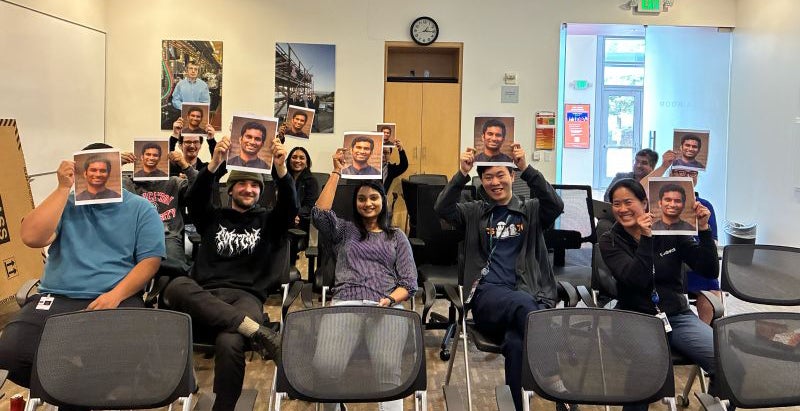
I first heard about the SLAM competition last year and was immediately excited about it. Public speaking has always been something I enjoy. I was part of the Toastmasters Association in high school, and I’ve also served as an MC for several events during my undergraduate years. So SLAM felt like a perfect combination of my interest in communication and my research.
After watching the 2024 competition, I knew I wanted to participate, so I signed up for the 2025 SLAM. I was selected as a finalist and ended up placing third in the Berkeley Lab SLAM, which was an amazing experience. After that, I had the opportunity to represent Berkeley Lab at the Bay Area SLAM, and eventually I was selected to represent the Lab at the National SLAM.
At the National SLAM, I’m excited for the opportunity to share the Lab’s multidisciplinary research and overall mission with both members of Congress and the broader public. Outreach and networking are very important to me, and I’m really looking forward to connecting with fellow finalists from other national labs, exchanging ideas, and learning from the diverse work being done across different facilities.
What do you do when you’re not studying cosmic rays hitting quantum computers?
Music is one way I like to unwind. I play the keyboard and have been part of a few bands in the past, covering everything from Indian Bollywood music to funk rock. I’d definitely love to get back to playing in a band again soon.
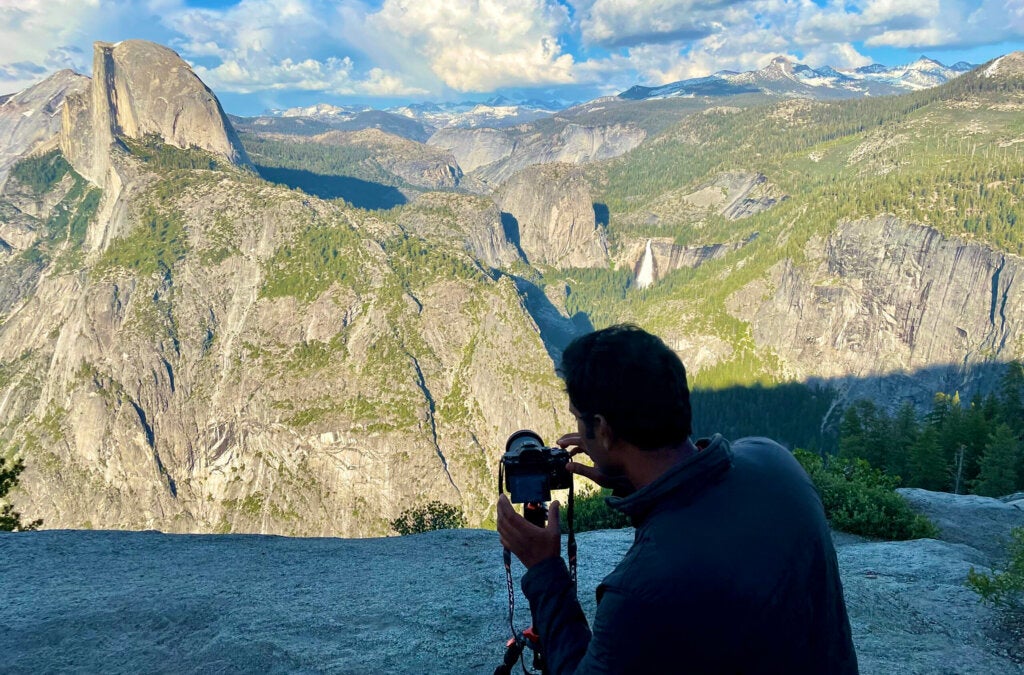
Lately, I’ve also been getting into photography — especially outdoors. Whenever I get some free time, you’ll probably find me out with a camera and tripod, exploring and capturing moments.