
The University of California Natural Reserve System relaunches as UC Nature
Share This Article
By Kathleen Wong, UC Nature
The University of California Natural Reserve System, long known as a collection of protected California landscapes and field stations supporting research and teaching, has relaunched as UC Nature. The name change reflects the broadened scope of the organization’s goals: to shape ecological, cultural, and institutional change that will keep nature strong.
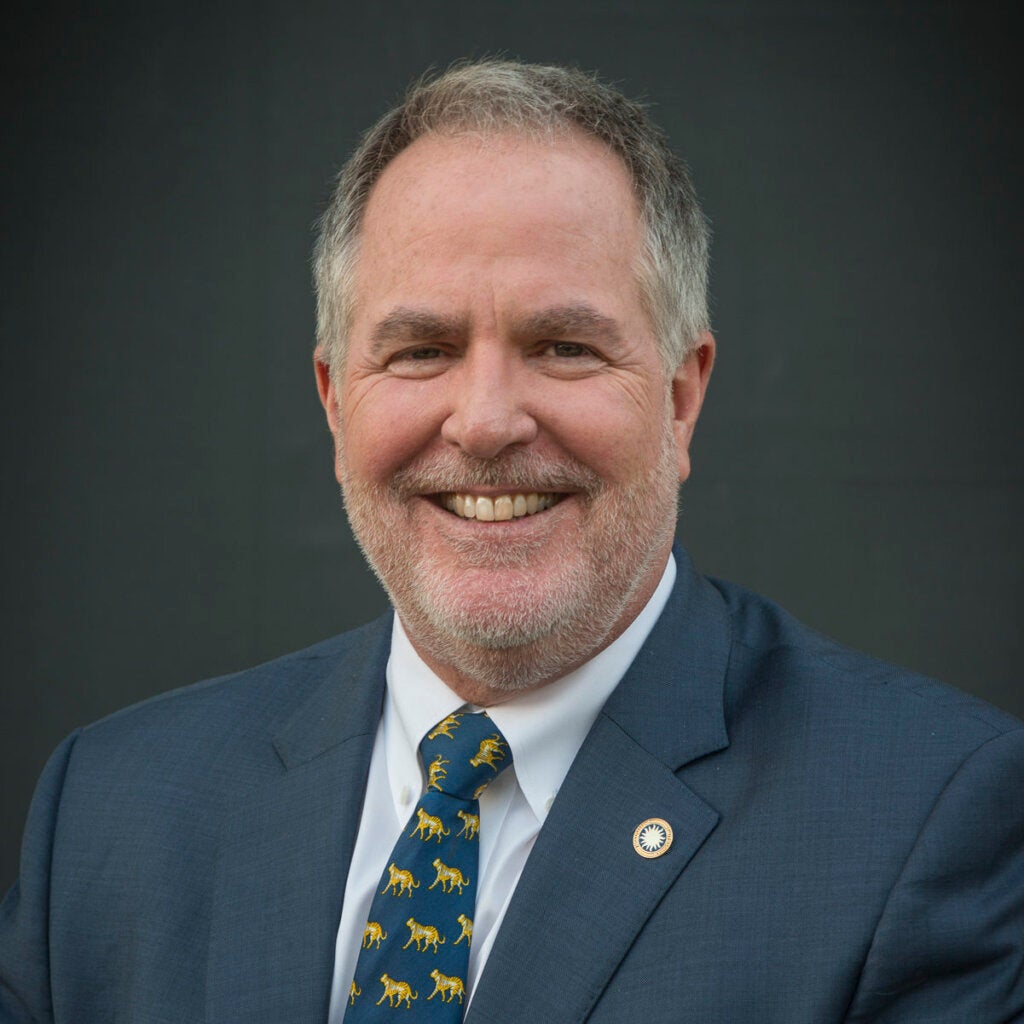
“Our intention is not to change what we do, but to make it more visible, more accessible, and more connected to the needs of the university, state, and society,” says Steve Monfort, Executive Director of UC Nature. “We will be the front door for UC’s engagement with the natural world.”
The organization was established in 1965 to ensure that University researchers had natural landscapes where they could conduct studies and teach students. Professors who had lost field sites to the postwar building boom wanted land protected in perpetuity to support long-term research and prioritize field teaching.
Known initially as the Natural Lands and Water Reserve System, the network brought together seven UC field stations managed by different UC campuses. The organization provided coordination for sites to be accepted as reserves and developed principles guiding land stewardship and visitor use.

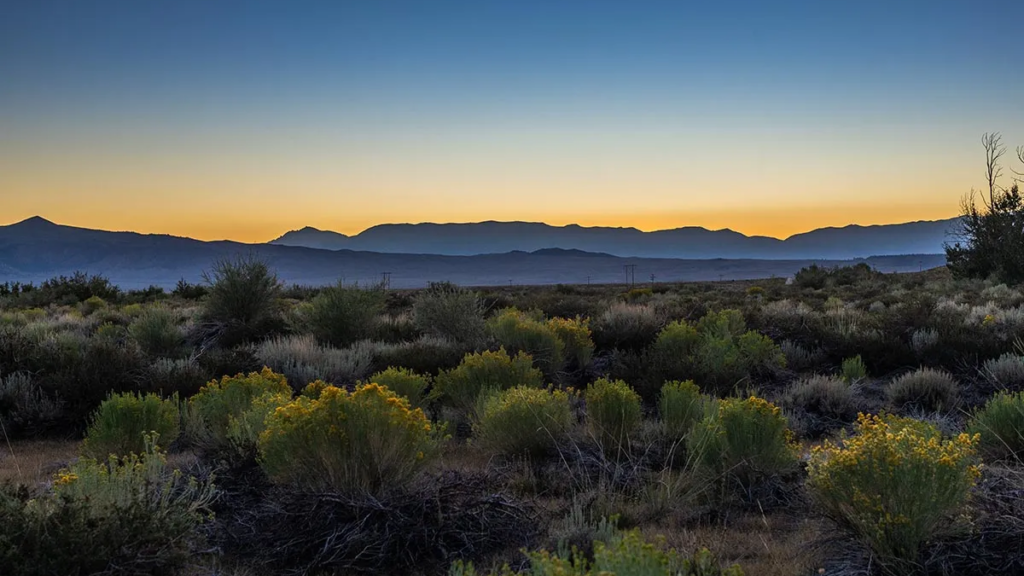
The organization grew into America’s largest network of field laboratories. Its 42 field stations now include examples of all of California major ecosystems, including coastal shorelines, alpine mountaintops, oak savanna, vernal pools, grassland, conifer forest, chaparral, and coastal scrub. The network became the Natural Reserve System in 1983.
However, California and the world have changed dramatically in the 60-plus years since the system’s inception. Climate change and threats to biodiversity have intensified and pose existential threats to the health and well-being of people and nature.
“Meeting those changes will require more than maintaining a network of extraordinary reserves available for student and faculty use,” Monfort says. The name change to UC Nature, he says, “reflects a moment of transition —not just in name, but in purpose, visibility, and responsibility.”
The relaunched organization will expand its scope in several key areas:
- Operating at landscape scales to better understand environmental impacts on biodiversity and ecosystem function.
- Engaging more deeply with underserved and climate-vulnerable communities to expand access and increase agency in nature.
- Strengthening community partnerships, including with Tribal Nations.
- Harnessing emerging technologies that will reshape how we understand nature.
“Our intention is not to change what we do, but to make it more visible, more accessible, and more connected to the needs of the university, state, and society.”
— Steve Monfort
The organization has already made great strides in several of these areas. For example, UC Nature now runs programs developing tomorrow’s diverse environmental workforce, including its California Ecology and Conservation course and Data Science Training Essentials program.
UC Nature reserves also serve as the backbone of a pioneering biodiversity monitoring program. The California Sentinel Sites for Nature initiative uses advanced sensing and standardized protocols to establish baseline data about where species are found. UC Nature reserves host more than a third of the network’s sites.
The breadth of UC Nature is central to its importance in addressing conservation challenges. “Solutions to environmental challenges require landscape-scale coordination—at scales meaningful to Californians,” Monfort says.
In this way, Monfort says, UC Nature is a key partner to California. The data gathered from California Sentinel Sites for Nature informs state ecosystem management decisions and provides scientific evidence to support larger conservation goals.
“UC Nature illustrates what a public university can achieve when vision, long-term stewardship, and modest resources are aligned in service of the public good,” Monfort says.