
The latest UC research on nutrition and health
Share This Article
The research that takes place throughout UC — in labs, in classrooms and out in the field — makes a huge impact on the everyday lives of Californians and people around the world. Join us in exploring recent UC research breakthroughs related to human nutrition and health — from demystifying nutritional dark matter to preventing skin cancer to matters of the heart.
How little we know about our food would surprise you
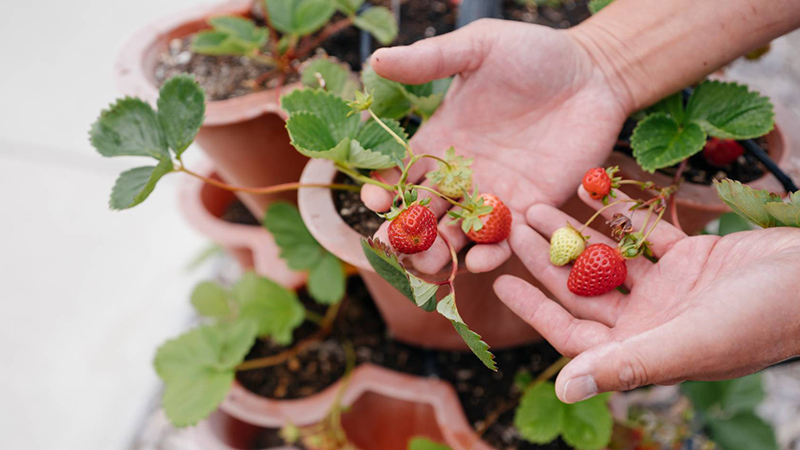
Despite the size of the nutrition industry, valued at more than $100 billion in 2024, we don’t actually know that much about food. Scientists have taken to calling this “nutritional dark matter,” but unlike the dark matter in space, it has immediate impacts on our health. Find out how UC UC scientists are working to change that — and improve health outcomes across the nation — with help from AI and a new mobile app.
Menopause is having a moment, and medicine is finally catching up

Menopause is the focus of celebrity memoirs and buzzy novels, and it’s blowing up on TikTok — driving a huge increase in demand for care. Led by OB-GYN Dr. Rajita Patil, the Comprehensive Menopause Care program at UCLA is forging a new model to provide evidence-based, multidisciplinary menopause care.
3 ways UC science is healing broken hearts
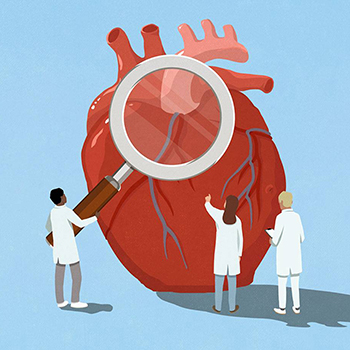
Today, scientists across UC are developing new treatments that don’t just prevent heart damage from getting worse, but — for the first time in medical history — actually help the heart heal. Learn how three UC labs are tackling the biggest cardiovascular challenges and coming up with solutions that could soon help save thousands of lives every year.
Explore the science of Ramadan fasting
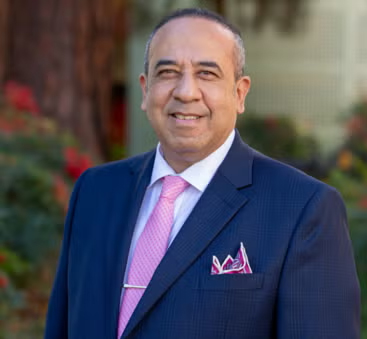
During the month of Ramadan — this year from Feb. 17 to March 19 — many Muslims around the world fast from dawn to sunset, refraining from food, drink and other physical needs as an act of worship and self-discipline. Dr. Sherif Hassan of the UC Riverside School of Medicine shares answers to many common questions about this practice — from who should or shouldn’t fast to physiological impacts to weight loss.
Protecting your skin from UV damage doesn’t need to cost a lot

Sunscreen protects skin from sun damage, preventing skin cancer and reducing potential harm from UV exposure. But costs vary widely — a new UCSF study reveals that protecting our skin can cost as little as $40 a year or as much as $1,400. And, when sunscreen costs climb, people tend to underapply — losing many of the benefits. Sunscreens are as effective as their ratings, regardless of the bottle price.
A surgery-free solution to skin cancer detection
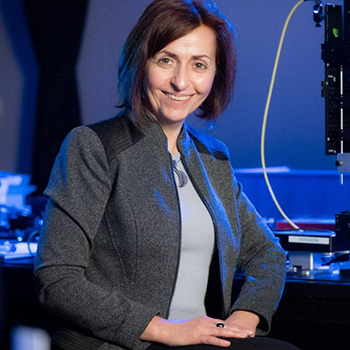
With federal funding, Mihaela Balu, UC Irvine associate professor of dermatology and biomedical engineering, and her team have invented a laser-equipped device that looks beneath the skin surface for early signs of melanoma — without biopsy — and can monitor the effectiveness of treatments.
Writing can rewire your brain to face everyday challenges

Emily Johnston, a writing studies professor at UC Merced, has researched how the act of writing rewires our brains to build resilience, unlocking our ability to process distress, identify hurtful feelings and take control of personal conflict. She shares the science behind her findings — and tips for putting them to use.
Catch up with more UC news! Visit the UC Newsroom and subscribe to Fiat Lux!